
Beyond the drawing board: how TEAM Architects built an enduring collective
Beyond the drawing board: how TEAM Architects built an enduring collective


Last updated:
7 Nov 2025
Founded in 1995 to overcome professional isolation, TEAM Architects has grown into a nationwide collective built on trust, collaboration, and shared knowledge, proving architects are stronger together.
Architecture is supposed to be a collaborative profession, but the reality for most practitioners is surprisingly solitary. You're making decisions about contracts, wrestling with difficult clients, questioning whether you're doing things right, and there's no one to ask. For five architects scattered across New Zealand in 1995, that isolation wasn't just uncomfortable. It was limiting their practices and wearing them down. Their solution was a connected network. Thirty years on, it's now known as TEAM Architects. The collective has grown from five founding directors to 18 across nine offices nationwide, proving that the problem they solved, and how they solved it, was more universal than they knew.
The isolation tax
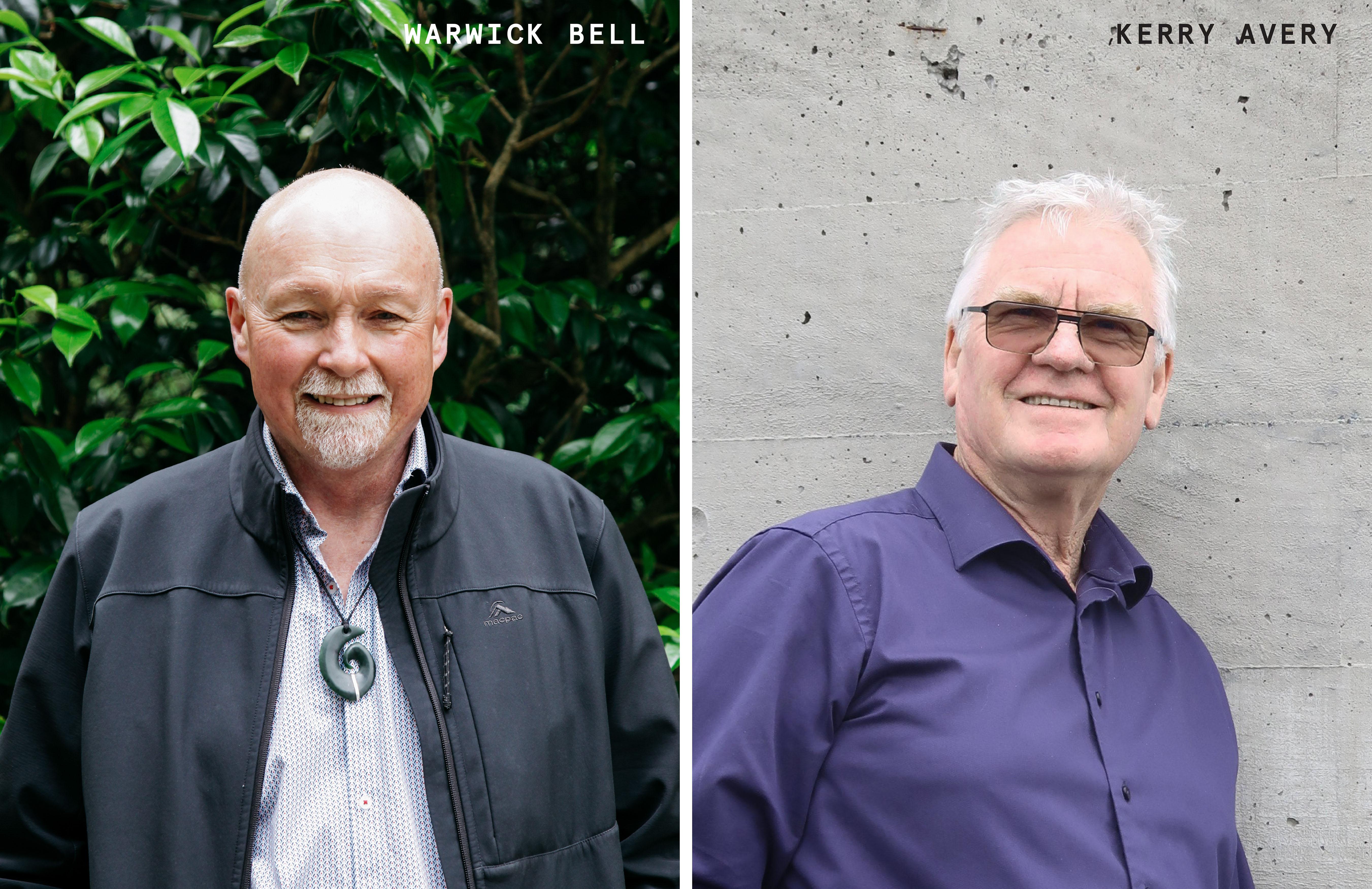
Warwick Bell, one of TEAM's founders, puts it plainly: "The isolation point is real." In 1995, Wellington had the country's highest density of architects. Everyone came for university, major practices had head offices there, even breweries employed architectural firms. If you wanted to get ahead, you needed a point of difference. In Napier, Tim Judd and Neil Fenwick were navigating generational transition in one of New Zealand's oldest practices. Kerry Avery in Auckland had experienced the limits of sole practice firsthand: "Working alone as a sole practitioner, you always felt you were merely skimming the surface on so many issues without the time to drill deeper. The collective allowed this burden to be shared."
Stewart Ross, who joined in 1999, experienced the problem differently in Christchurch. "Christchurch felt guarded," he recalls. "Practices were competitive and didn't share much. I'd always wanted a more collegial environment: people being open about clients, contracts, and process." He'd run his practice for years wondering if he was "doing it right," largely self-taught in systems and procedures after an unconventional path through theatre and overseas work.
The common thread? Capable architects working in professional silos, unable to access the collective knowledge that could lift their practices.
From network to family
What started as a pragmatic strategy evolved into something deeper. Trust took time to establish, but once it did, the sharing became what people valued most. One director would regularly bring contract issues to the group: "How do we resolve this?" It wasn't always about money. Often it was about raising the quality of work and the success of careers.
"People stay not just for business reasons but because of the bonds and trust," Bell notes. Ross describes directors' meetings as providing "emotional security more than financial," a supportive professional family in the wings. In a profession where burnout is real, that camaraderie matters.
Bell has come to think of TEAM as a "third place" beyond home and the office. "There's home and work, but you also need a third place to interact and connect. With technology we've lost some face-to-face relationship building. TEAM Architects provides that for practitioners: a place to download, chew over problems, and maintain connections beyond our own firms."
The numbers back this up: 80% of current members feel they belong, and 82% actively want to connect with other TEAM members nationwide.

Stronger together, practically speaking
The warm feelings matter, but so do the practical benefits. Current chair Glen Frost uses a sports analogy: "Think of any sports team: a collection of individuals, but all on the field together, working as a single entity. We maintain our individuality, we have our own strengths based on location and expertise, and we bring all of this together to support each other."
That support takes concrete forms. Wellington has received documentation support from Greymouth on projects. A mortuary project came via Hamilton's crematorium relationships. A 1997 joint venture with Boon on the Presbyterian Support development in Woburn (60/40 split, Boon leading design, Wellington handling contract administration) gave the Wellington practice a foothold in commercial work it hadn't accessed before. Nine offices spanning the country means national-scale projects can be delivered with genuine local presence and knowledge, something no individual practice could build alone.
Active forums on sustainability, technical matters, and graduate development pool expertise that would otherwise remain siloed. Jane Kelly, TEAM Architects Wellington director, describes the quality of connection: "One of the brilliant things about the TA group is the collegiality. There is a real openness across the group and a willingness to not just talk and support each other in a way that isn't possible elsewhere in the profession where competition gets in the way of openness. No matter what the difficulty you might be having, someone across the group will have seen or been through something similar and will happily share their thoughts, advice and provide real support."
The diversity of who leads those conversations has shifted too. From all-male founders, TEAM now has near 50-50 gender equality across the practice. Women comprise nearly a quarter of the directorship, and that proportion continues to grow through active JEDI (Justice, Equity, Diversity and Inclusion) initiatives.
Three generations and counting
Glen Frost started at TEAM Architects Auckland in 2003 as a part-time student. His nickname was "boy Friday." He's now chair, having moved through graduate to architect to director. That progression, from student to leadership, demonstrates something unusual: a practice model that retains people across career stages and transfers successfully across generations.
Kerry Avery was characteristically blunt about what has sustained the collective: "If people hadn't seen benefit, it wouldn't have stayed together." The "special sauce" wasn't complicated. People got as much as they put in. The relationships worked. The shared architectural values (striving for excellence, enhancing reputations, maintaining quality) proved more durable than technology platforms or even financial joint ventures.
As AI and automation reshape architectural practice, Bell's "third place" concept becomes more prescient. The technical work may change, but architects will still need somewhere to discuss the human problems: the difficult client, the contract risk, the career crossroads. TEAM Architects suggests that professional isolation is both structural and solvable. And for 30 years and counting, the TEAM solution has worked.